
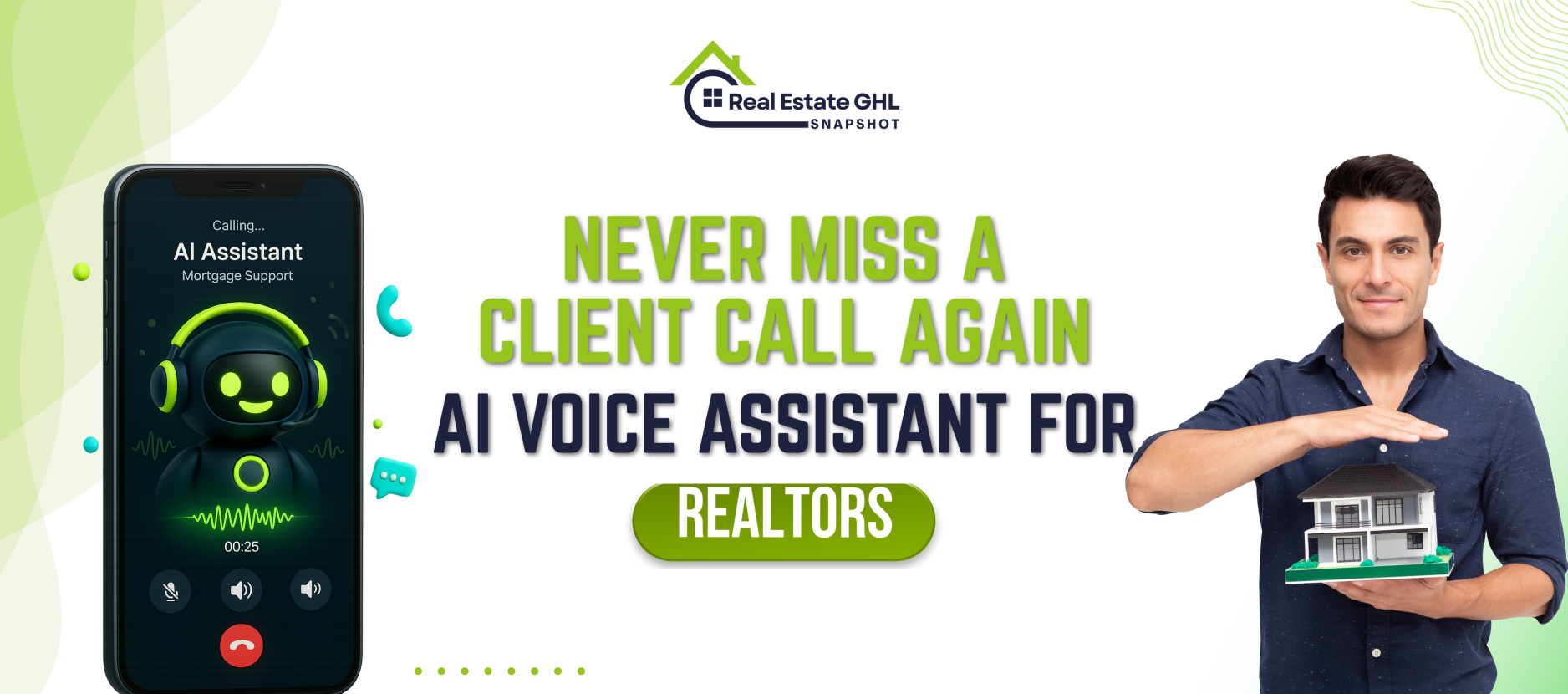
Have you ever lost a potential deal simply because you couldn’t answer a call or returned it hours later when the lead had already moved on? In real estate, responsiveness isn’t a bonus it’s a necessity. 🏡Enter AI voice assistants your round‑the‑clock virtual receptionist that can answer calls, qualify leads, schedule appointments, and more even when you’re busy with showings or offline. These intelligent systems are no longer sci-fi; they’re real tools agents are using right now to stop dropping the ball. In this article, we’ll explore what AI voice assistants are, why realtors need them (with data and real examples), how to implement them, and best practices to get maximum ROI all in a warm, conversational tone that avoids the usual jargon overload.
Key Takeaways
- What features matter most in selecting one
- Why realtors are adopting AI voice assistants
- Step‑by‑step how to implement voice AI in your workflow
- Real use cases, pitfalls, and performance metrics
- How to integrate voice + chatbots for full coverage
What Is an AI Voice Assistant for Realtors?
An AI voice assistantuses conversational AI, natural language processing (NLP), and telephony integrations to handle inbound calls as if it were a human receptionist.
Here’s what it can do in a real estate setting:
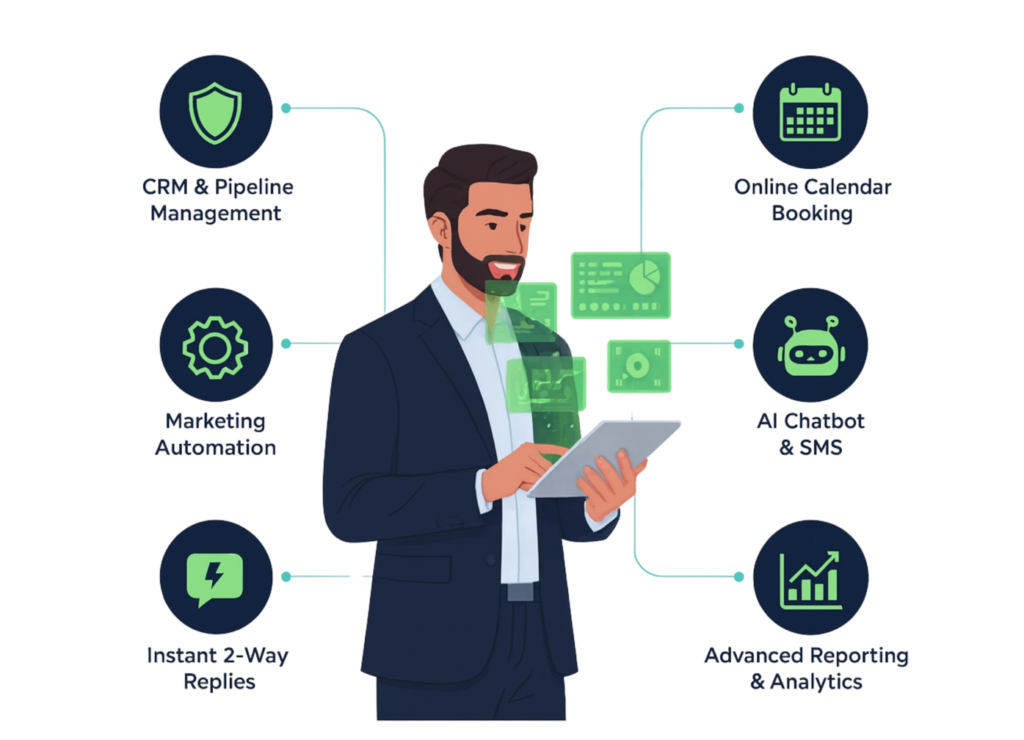
- Answer property inquiry calls 24/7
- Qualify leads by asking a series of intelligent questions
- Schedule showings or discovery calls directly onto your calendar
- Transfer or escalate to a human when needed
- Log call summaries, lead data, and follow-up tasks into your CRM
- Send follow-up SMS or email after missed or incomplete calls
Why Calls Matter and Why They Slip Through the Cracks
Missed Calls = Missed Clients In real estate, speed wins. Studies show that agents lose over 26% of buyers and sellers simply due to slow or missed follow-up. That’s not a small leak — that’s a broken pipeline.And the industry knows it. By 2024, 63% of real estate companies were already testing AI-powered support to stop the bleeding. Here’s the big picture:
- The AI voice assistant market is set to grow from $3.5B in 2024 to $13.8B by 2029
- Voice AI agents could reach $47.5B by 2034
These aren’t just tech stats they’re signs that realtors who automate now are building a future-proof business.
How AI Voice Assistants Help Realtors Win More Deals
24/7 availability & no more after-hours misses
Faster response = more trust
Qualification before engagement
- Are you currently working with an agent?
- What’s your timeline?
- What’s your budget or price range?
- Which neighborhoods are you considering?
Stop Losing Leads You Already Paid For
Implementing an AI Voice Assistant in Your Real Estate Business
Step 1: Choose the right AI voice assistant platform
Look for features like:
- Natural language understanding
- Telephony integration
- CRM and calendar integrations
- Call escalation and transfer rules
- Customizable scripts and fallback logic
- Reporting & analytics
Step 2: Define your call flows & scripts
- Greeting → Hello, you’ve reached [Your Name / Your Agency]. How can I help you today?
- Lead qualification questions (budget, timeline, property type, etc.)
- Offer scheduling or transfer to a human
- Fallback prompts if the AI fails to understand
Step 3: Integrate with your CRM and calendar
Ensure call data flows into your CRM so leads get assigned, nurtured, or followed up automatically. Sync the AI’s appointment scheduling with your real calendar to avoid conflicts.
Step 4: Train for local context
Customize it to understand your local neighborhoods, property jargon, and common queries. Include common keywords like “three bedrooms,” “near schools,” or “price per square foot.”
Step 5: Launch & monitor
Start with a pilot phase, monitor call logs and lead conversion rates, and refine. Watch how many calls turn into booked appointments or sales.
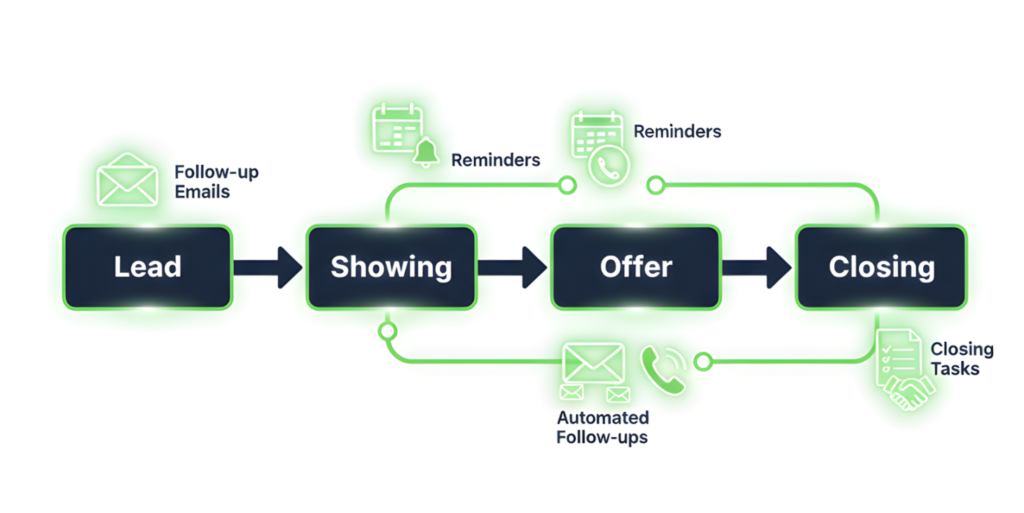
Revive Your Dead Leads in Days Not Months
Old leads aren’t lost — they’re waiting. Our snapshot revives your database, cuts no-shows, and fills your calendar. One system, lifetime access, no fees.
Frequently Asked Questions
How natural do these AI voice assistants sound these days?
Can the AI deal with multiple questions at once?
What happens if the AI mishears something (say, property address)?
What’s the expected timeline to see results?
How do I maintain quality over time?
Are there any industries or markets where this won’t work?
Will this replace human receptionists or assistants?
It’s meant to augment not necessarily replace humans. Let the AI handle low-value tasks while humans focus on high-value relationships.
Conclusion
In today’s fast-paced real estate world, missing a call means missing a deal. With AI voice assistants, you ensure every call is answered, every lead is qualified, and no opportunity slips away. These intelligent systems are more than automation — they act as your seamless, scalable receptionist that works while you sleep, show properties, or focus on closing.
As the AI voice market expands (projected to grow exponentially in the coming years)
The Business Research Company+1, adopting voice assistance in your real estate business isn’t just a luxury it’s becoming a competitive necessity. Pair voice + chatbot automation, integrate into your CRM, monitor your metrics, and tweak your scripts — soon, you’ll be wondering how you ever handled calls manually.
Ready to Close More Deals?
Don’t lose another lead automate calls, texts, and follow-ups today.